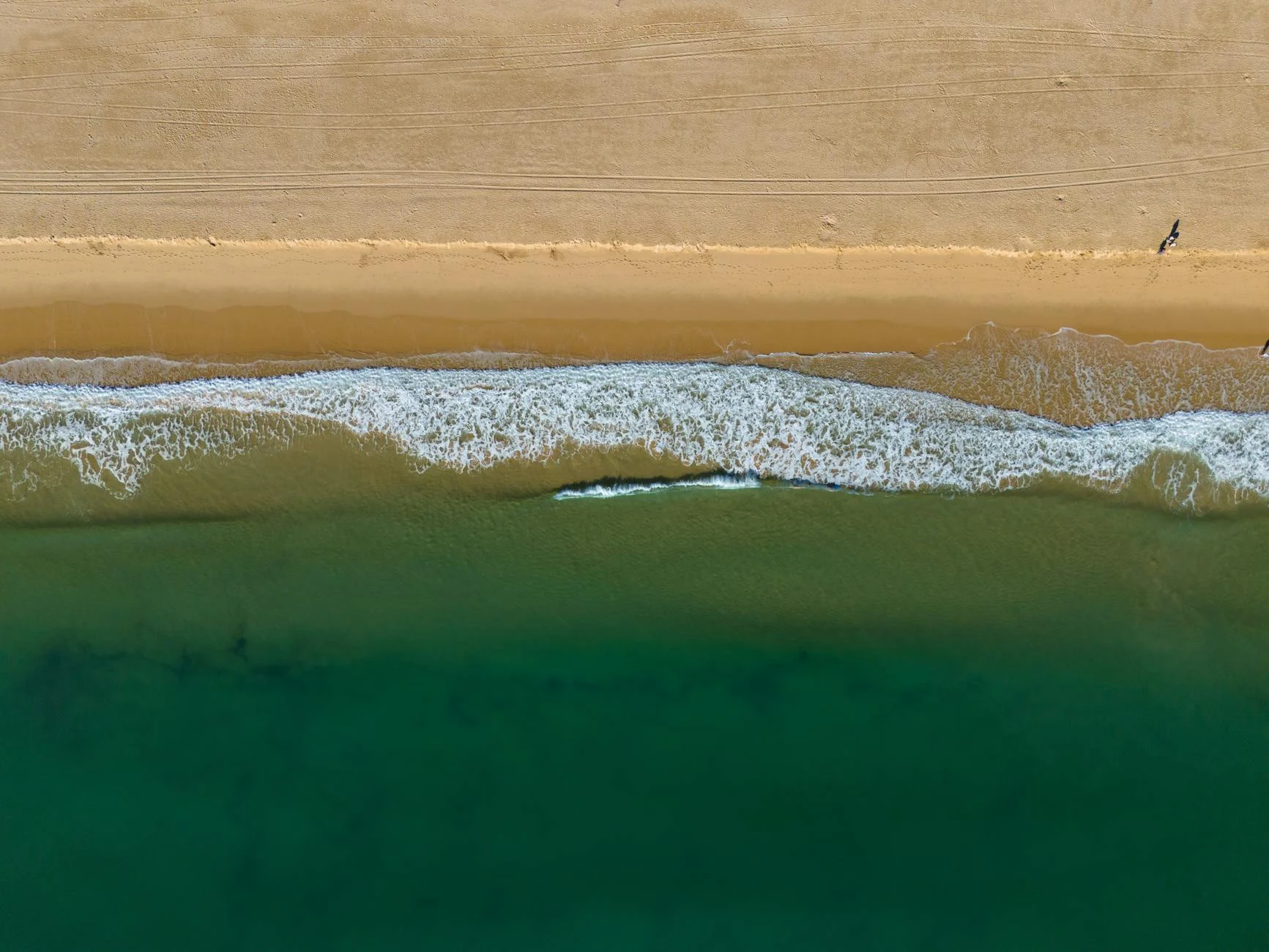
Praia da Ilha de Tavira is an 11km barrier island beach within the Ria Formosa Natural Park, reached by a 10-minute ferry from Tavira. The eastern Algarve's most popular beach, it combines long stretches of golden sand with calm, warm water and full facilities near the ferry landing.
Why This Beach
Ilha de Tavira is the longest of the Ria Formosa’s barrier islands, and the beach that runs along its ocean-facing side stretches for roughly 11 kilometres. That length is the point. Near the ferry landing, you get a proper beach setup: restaurants under pine shade, sunbeds for hire, volleyball nets, a lifeguard watching the water. Walk for ten minutes in either direction and the crowd thins to almost nothing. By twenty minutes, you might have a hundred metres of sand to yourself. In August.
The sand is fine and golden, the water noticeably warmer than the south coast average. Eastern Algarve sea temperatures run 1-2°C above central Algarve readings, reaching around 22-24°C in high summer. Warm enough that even the reluctant swimmers in your group will get in. The seabed slopes gently, there’s no undertow to speak of on a calm day, and the Ria Formosa’s lagoon system shelters this stretch from the worst of the Atlantic swell. It is the kind of beach where you can let younger children paddle without hovering over them. Also one of the few Algarve beaches where you can genuinely spend a full day without feeling restless, because the island itself rewards exploring on foot. Dune paths wind through pine forest in the interior, and the lagoon channels behind the island are alive with wading birds. Flamingos, if the tide is right.
How to Get There
The beach is on an island, so the ferry is non-negotiable. Two departure points operate from the mainland. The year-round service runs from Quatro Águas pier, about 2km east of Tavira’s centre along the river. The crossing takes roughly 10 minutes through the shallow jade-coloured channels of the Ria Formosa. A seasonal service (roughly April to September) also departs from Tavira town centre, on Rua José Pires Padinha beside the river. This one takes a few minutes longer but saves the drive to Quatro Águas.
From Faro Airport, Tavira is about 35 minutes by car heading east on the A22 or N125. If you’re driving, head for Quatro Águas rather than the town centre. The car park there is large and handles most of the beach traffic, though it fills by mid-morning on peak summer days. Arriving before 10am makes parking straightforward.
Public transport to Tavira from other Algarve towns is possible by train (the Algarve regional line stops at Tavira station) or bus. From Tavira’s bus terminal, the town centre ferry pier is about a 10-minute walk. Quatro Águas is a longer walk, roughly 30 minutes along the river, or a short taxi ride. Getting to the beach without a car is more practical here than at most Algarve beaches, which is unusual enough to be worth noting.
Water taxis also operate from both piers, useful if you miss the last scheduled ferry. Check posted timetables on arrival for return times. Missing the last ferry back is not a crisis (water taxis run later) but it costs significantly more.
What to Bring and What to Know
Shade is available near the ferry landing, both from the pine trees and from parasols for hire. Further along the beach, there is none. If you plan to walk beyond the main area, bring your own shade. An umbrella or beach tent is worth the effort of carrying it across on the ferry.
The water is warm by Algarve standards but still the Atlantic. Sea temperatures reach around 22-24°C at their peak in August, dropping to 19-20°C by early October. Comfortable for long swims in summer, bracing but swimmable in May and late September.
The ferry ticket booths accept card payment, and most of the island’s restaurants do too. There is an ATM on the island near the campsite, but you should not need it unless a smaller vendor is cash-only.
Snorkelling gear is worth packing if you have it. The water clarity is excellent, especially on calm mornings, and the seagrass beds along the edges of the beach support more marine life than the open sand. Nothing dramatic, but enough to keep a curious swimmer entertained for half an hour. You will not find gear for hire on the beach.
The island has a seasonal campsite (roughly June to September) for anyone tempted to stay overnight. Pre-erected tents and glamping options are available. No vehicles can access the island, so this is strictly a pack-light operation. The campsite is lively in summer, popular with younger Portuguese and Spanish visitors.
One practical note that catches visitors off guard: the beach is south-facing but the wind can pick up in the afternoon, especially in spring and autumn. On exposed days the sand blows hard enough to make sunbathing uncomfortable. Mornings are almost always calmer.
Nearby Beaches
Praia do Barril sits on the same island, about 40 minutes’ walk southwest along the sand. Famous for its anchor cemetery and the miniature train that crosses the Ria Formosa marshes from Pedras d’El Rei. Quieter than Ilha de Tavira’s main beach, with the same quality of sand and water. A good alternative if you want the island experience with fewer people and more character.
Praia de Cabanas is on the neighbouring barrier island to the east, reached by small boat from the village of Cabanas de Tavira. Smaller and consistently less crowded. The Guardian’s readers once voted it the best beach on the Iberian Peninsula, which gives some idea of its reputation relative to its size.
Praia de Cacela Velha lies further east, below the clifftop village of Cacela Velha. Reached by a short boat crossing from the lagoon shore. The beach itself is wild and exposed, with virtually no facilities, and the village above it is one of the most photogenic spots in the eastern Algarve. A different experience entirely from Ilha de Tavira’s serviced setup.
Walk ten minutes southwest from the ferry landing and the beach empties out dramatically. Most visitors cluster near the restaurants and sunbed area, so a short walk buys you genuine space even in August.