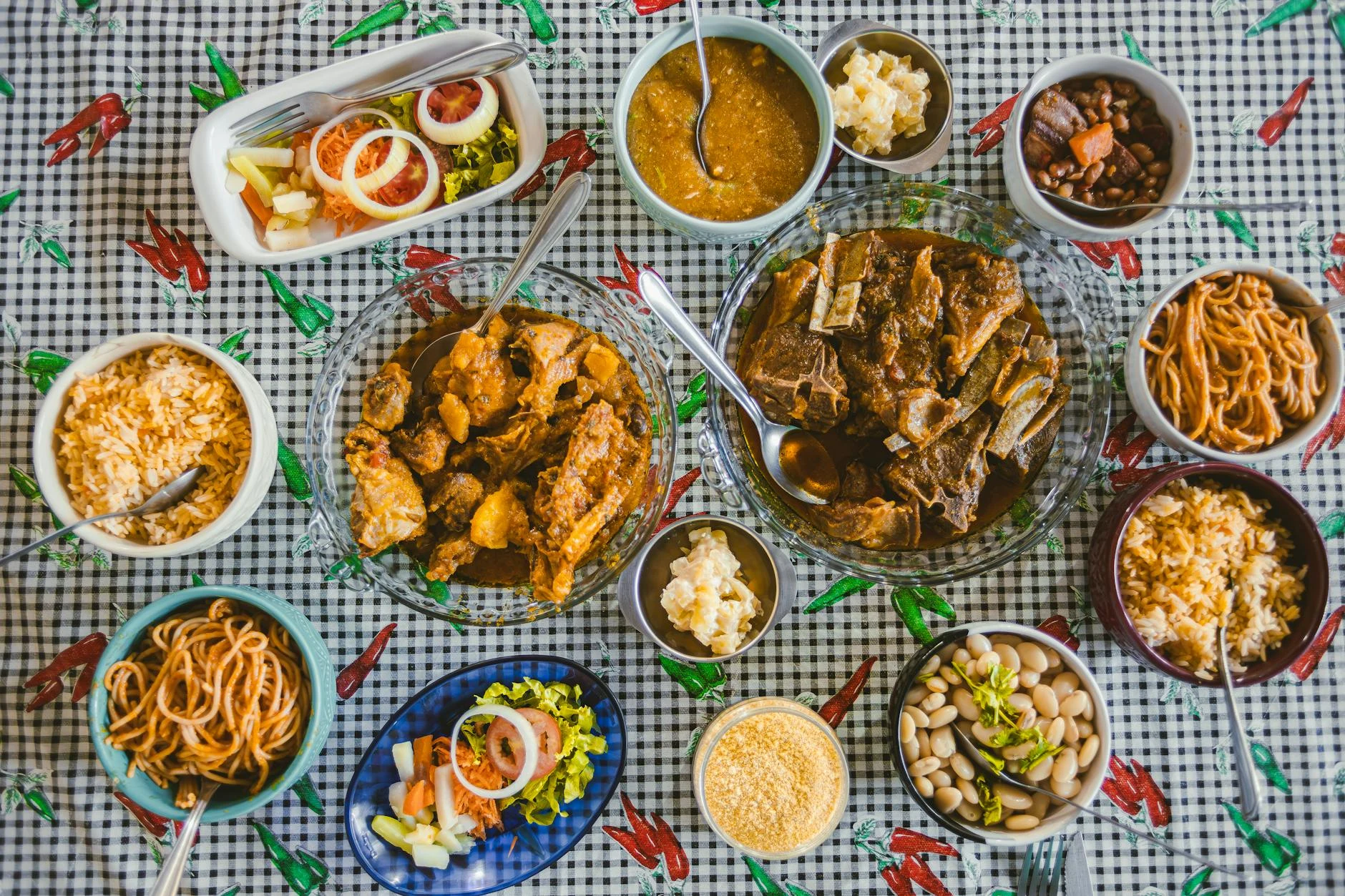
Algarvian cuisine is built around fresh seafood, cataplana stews, and char-grilled fish. The region has a distinct culinary identity shaped by its Moorish history, Atlantic coast, and market garden interior, different from Lisbon food in ways that matter.
What Makes Algarvian Food Distinctive
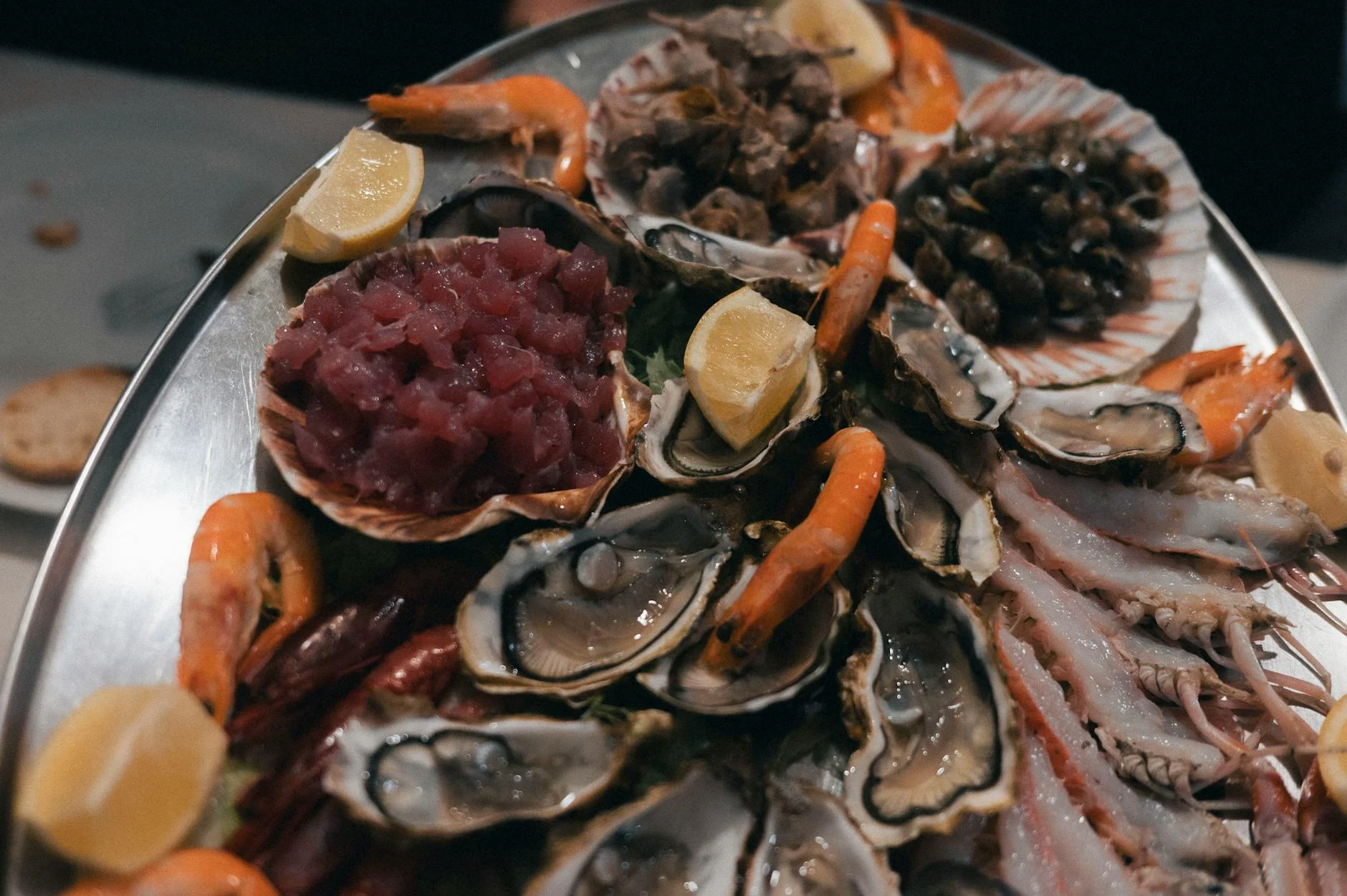
The Algarve sits at the confluence of Atlantic seafood, North African spice influence from centuries of Moorish rule, and a market garden interior that grows excellent almonds, figs, carobs, and oranges. The result is a cuisine that’s genuinely its own thing, not just “Portuguese food near the sea.”
The Dishes Worth Ordering
Cataplana
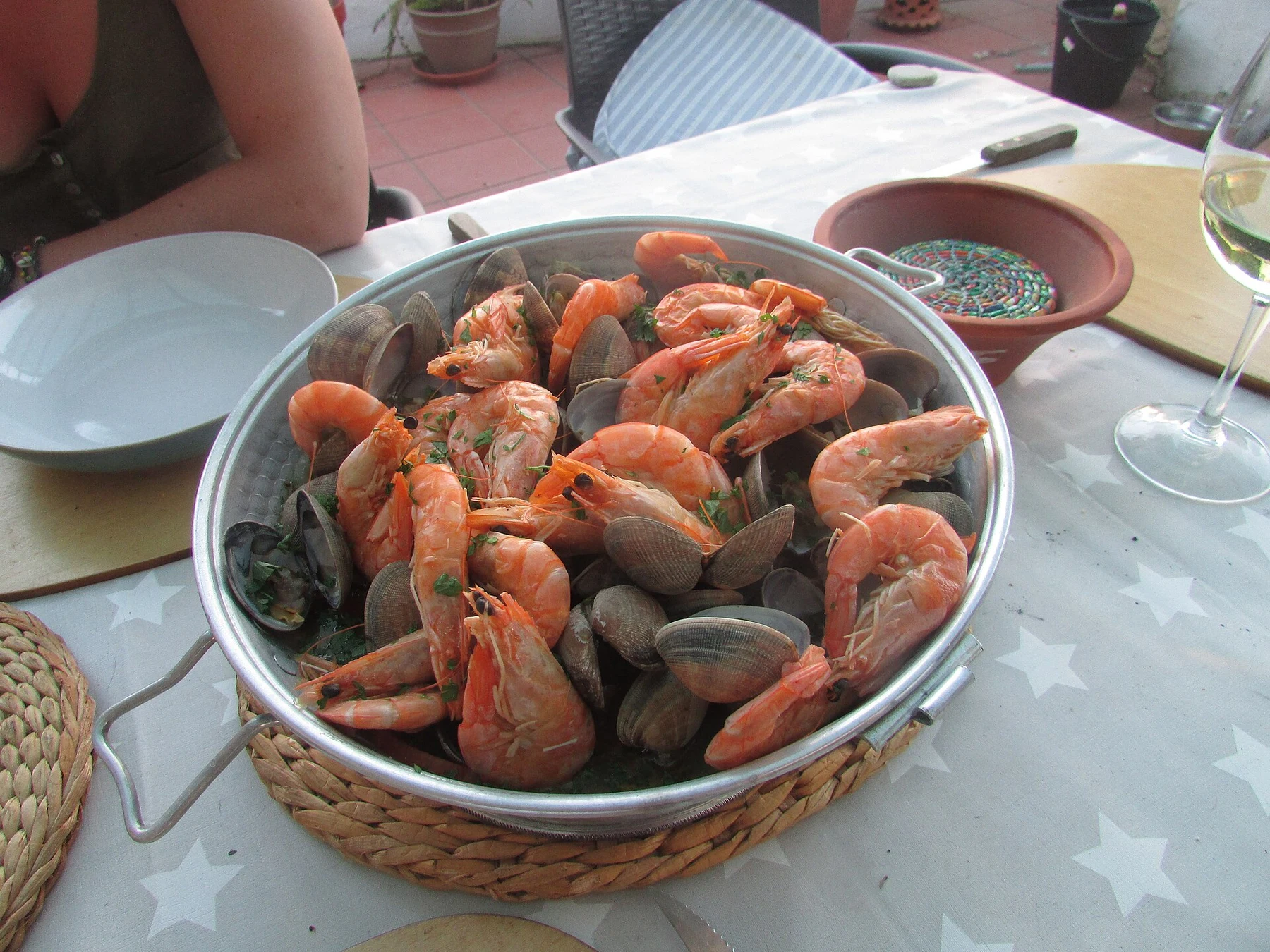
The signature dish. A cataplana is both the cooking vessel (a hinged copper pot shaped like a clamshell) and the style of stew cooked in it. The classic version is clams with chouriço, white wine, garlic, and tomato, but you’ll also find cataplana de marisco (mixed seafood) and fish versions.
Quality varies enormously. The best cataplanas are cooked to order and take 25–30 minutes. If it arrives in 8 minutes, it was pre-made and reheated. The cataplana is brought to the table closed; the waiter opens it in front of you, which is the intended presentation.
Charcoal-Grilled Fish
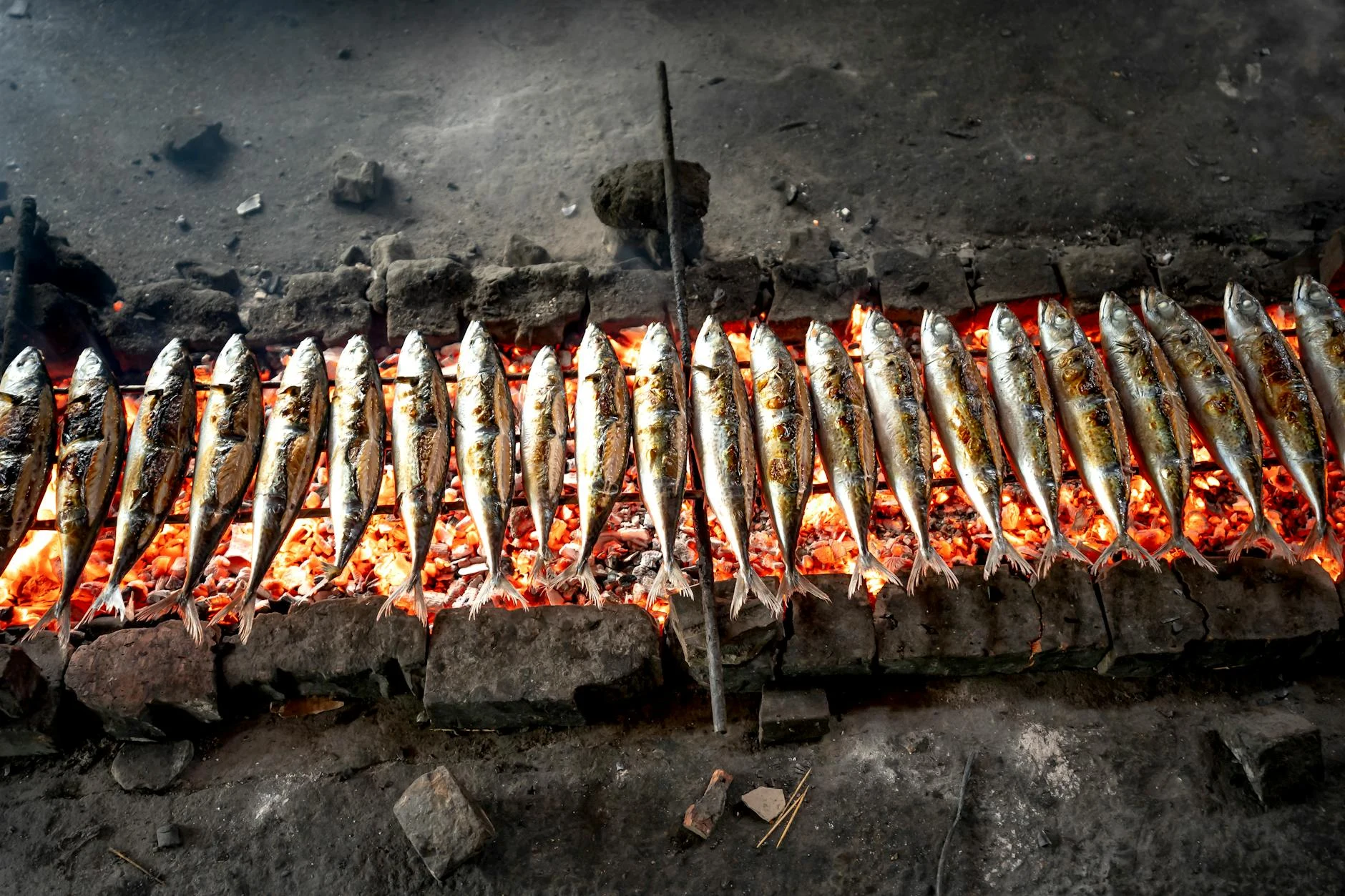
The daily catch, grilled on charcoal with olive oil, lemon, and sea salt. No menu: you point at the fish in the glass case. This is the honest food of coastal Algarve restaurants: robalo (sea bass), dourada (sea bream), linguado (sole), cherne (wreckfish).
Avoid restaurants that don’t have a fresh fish display. If they’re not showing you the fish, they’re defrosting it.
Sardinhas Assadas
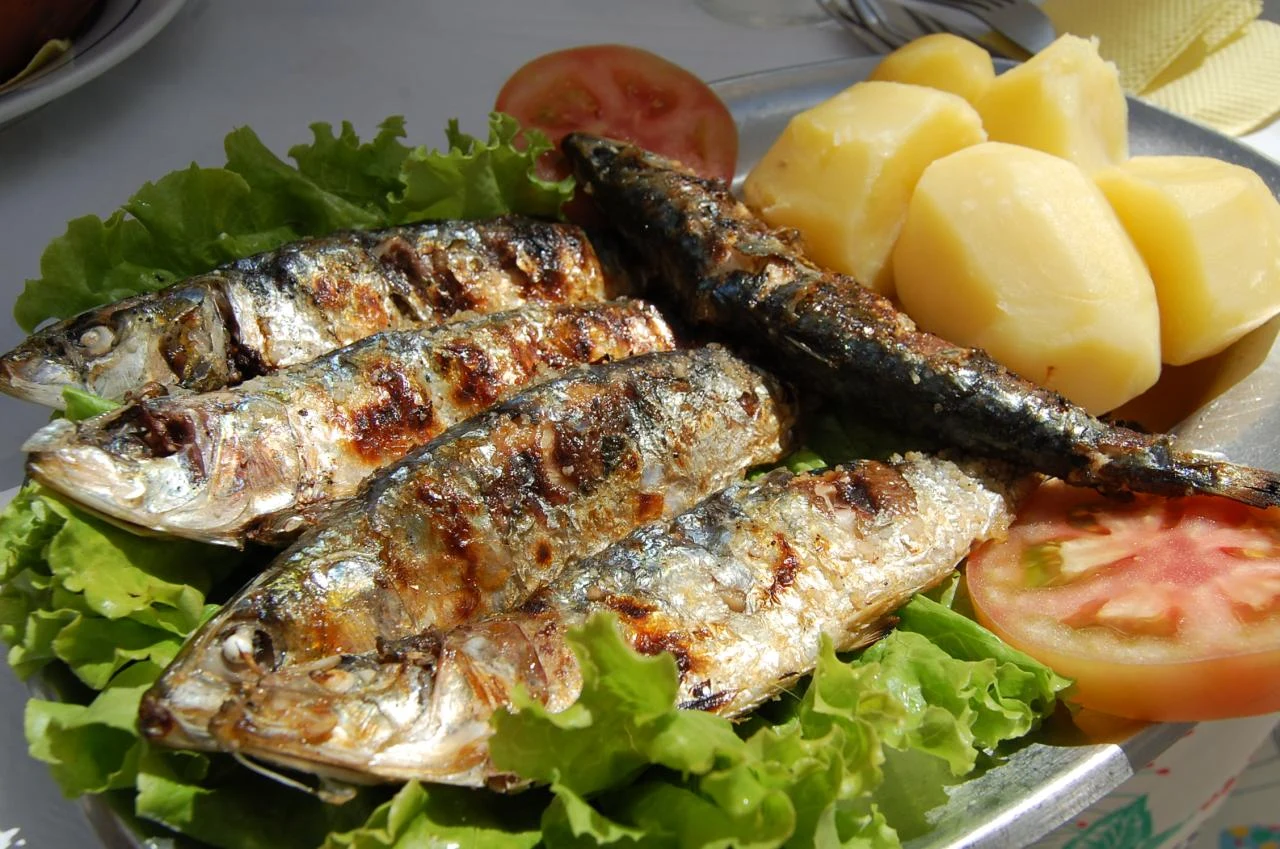
Grilled sardines are the unofficial dish of the Algarve summer. Fat, fresh Atlantic sardines, grilled whole on charcoal, served on bread that soaks up the cooking juices. Best in June–September when they’re at their fattest. Eaten with your hands.
Amêijoas à Bulhão Pato
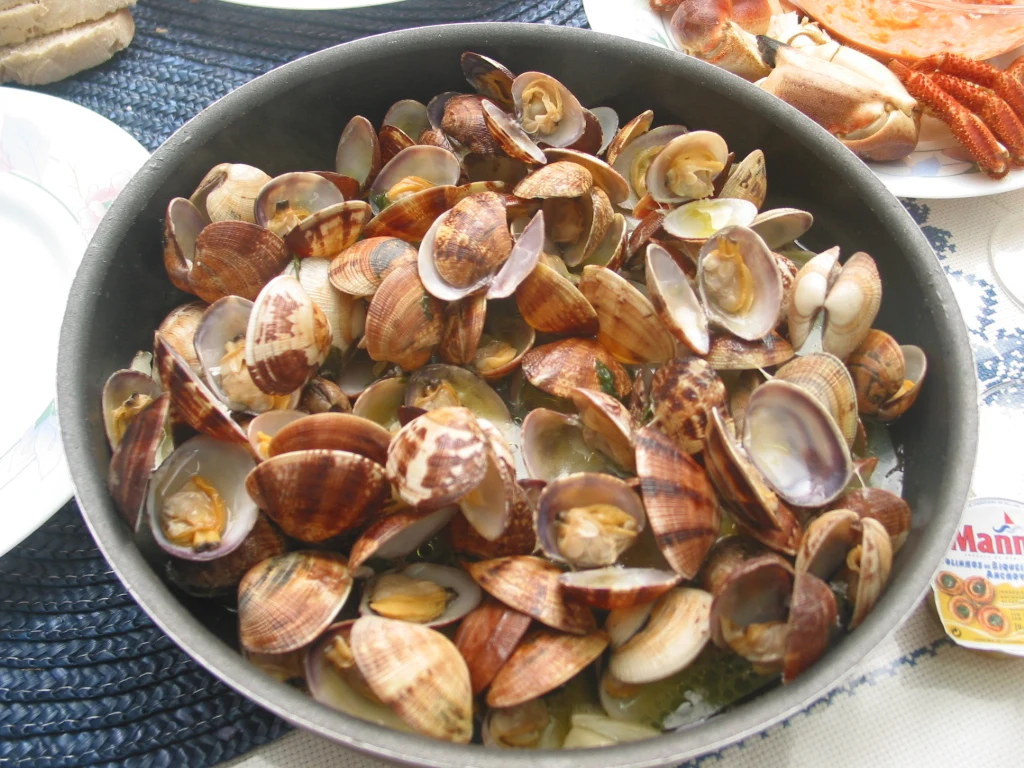
Clams in white wine, garlic, lemon, and coriander. A simple preparation that depends entirely on the freshness of the clams. Good versions are briny, bright, and gone in three minutes. Bad versions use clams that have been sitting too long.
Where to Find the Best Food
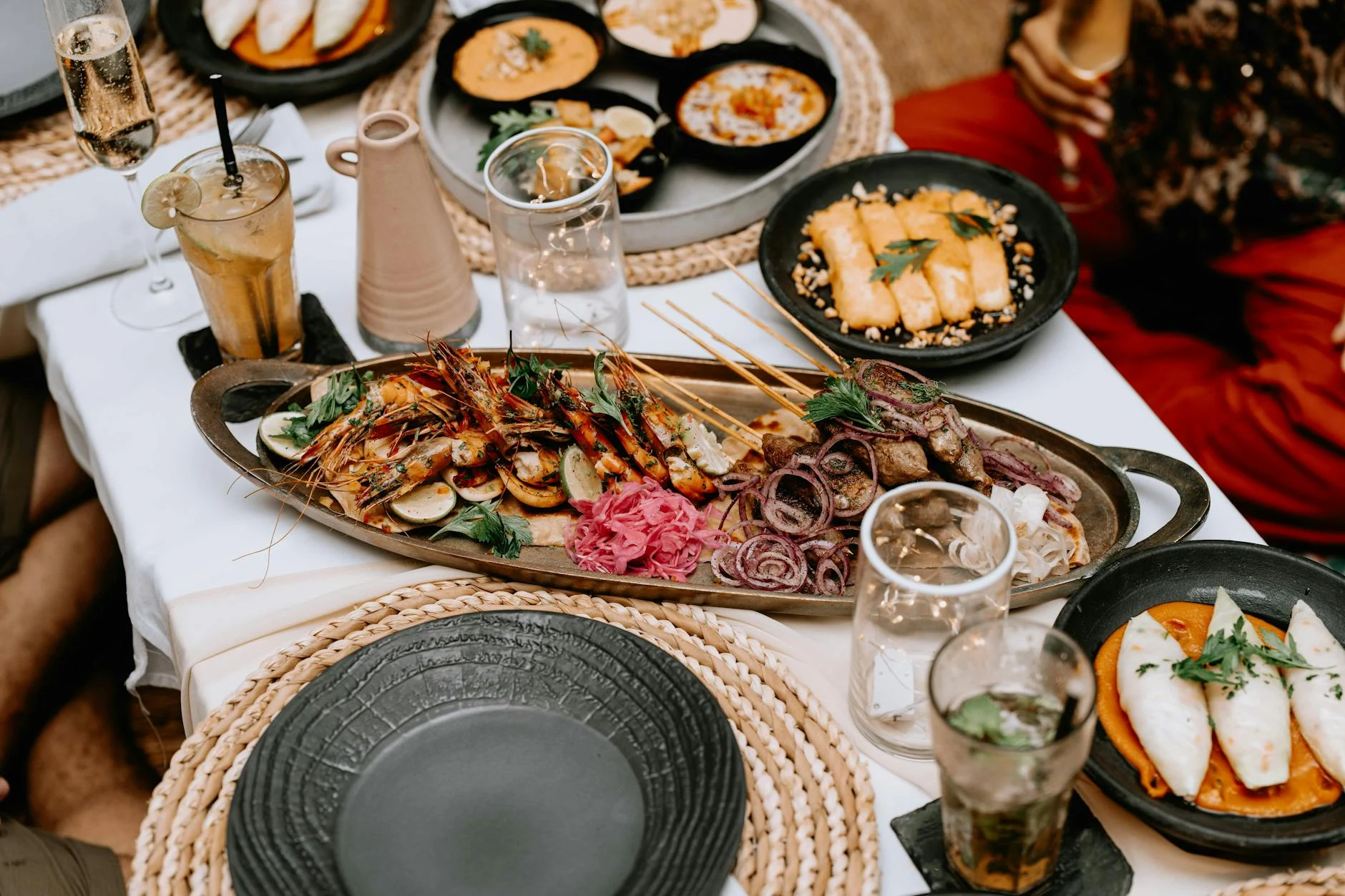
Olhão and Tavira have the best seafood because they have the best fish markets. The fishermen sell direct and the restaurants are built around that supply.
Avoid the strip near any major beach in high season. The restaurants on the promenade at Meia Praia, Albufeira old town waterfront, etc. are almost universally tourist traps. Walk inland.
Market restaurants: the covered markets in Olhão and Loulé both have good restaurant sections operating at lunchtime. These are where local workers eat.
Algarve Almonds, Figs, and Sweets
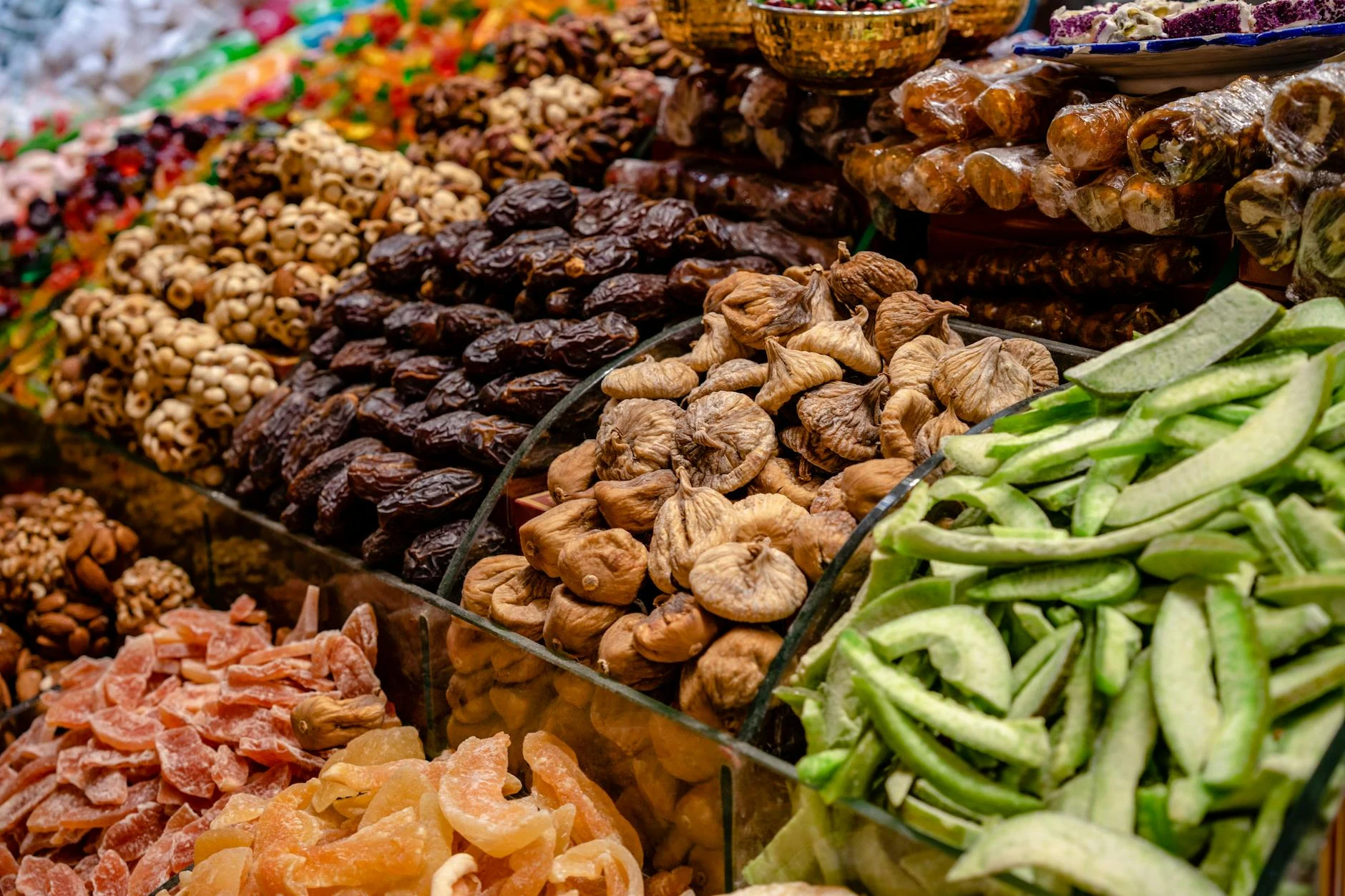
The interior of the Algarve grows almonds, figs, and carob at scale. The traditional sweets, Dom Rodrigos (egg and almond sweets wrapped in foil), morgado (almond paste moulded into fruit shapes), and marzipan, are genuinely good and specific to this region.