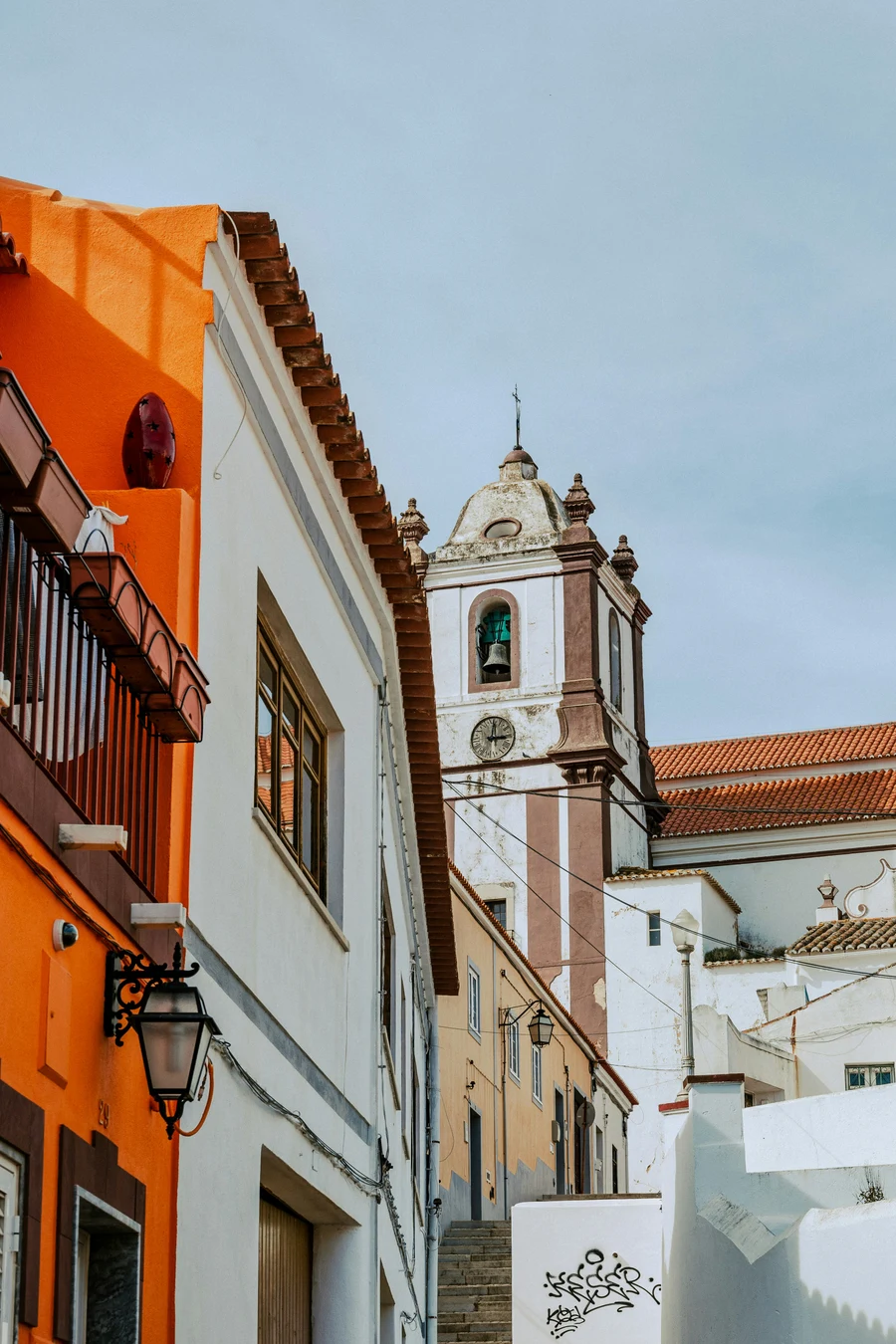
Silves is a quiet inland town in the central Algarve, built around the region's largest and best-preserved Moorish castle. Once the capital of the Algarve under Muslim rule, it sits on the Arade river surrounded by orange groves and is best visited as a half-day trip from the coast.
Why Visit Silves
Silves is the only Algarve town where the history is the main event. Every other place in the region sells you coast first and culture second. Silves does it the other way around, and that makes it worth the drive inland.
The red sandstone castle above the town is the largest Moorish fortification in the Algarve and one of the best-preserved in Portugal. From the 8th to the 13th century, this was the capital of the Algarve, a city wealthy enough to rival Seville. The Arade river connected it directly to the Atlantic, and trade flowed up from the coast to a thriving Islamic settlement. That era ended with the Christian reconquest, and the river eventually silted up, stripping Silves of its purpose. What remains is a quiet, unhurried town draped over a hillside, defined by the castle on top and the river at the bottom. The streets between are cobbled and steep, lined with whitewashed houses and the occasional burst of bougainvillea.
This is a day-trip destination, not a base. Two to three hours is enough to see the castle, the cathedral, and the old town, with time for a long lunch before heading back to the coast. Come for the morning, leave by mid-afternoon. Or, if you time it right, arrive by boat up the Arade from Portimão and let the river do what it has done for a thousand years.
Best Things to Do in Silves
Castelo de Silves
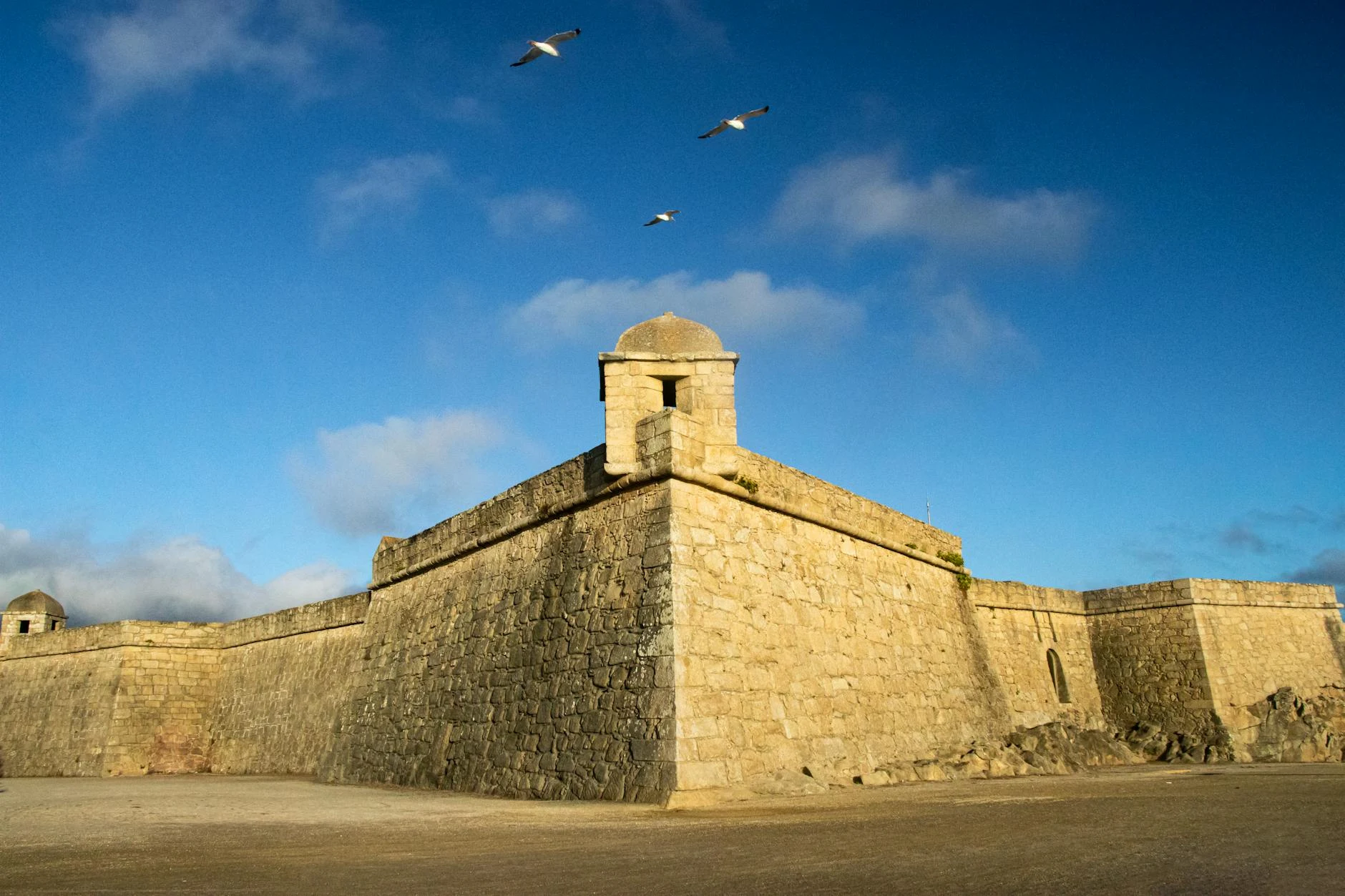
The castle earns its reputation. Eleven towers connected by thick red sandstone walls, wide ramparts you can walk end to end, and views from the top that stretch across the Arade valley to the hills of Monchique in the distance. Inside the walls, excavated foundations of the old Moorish settlement have been uncovered alongside the Palácio das Varandas, Portugal’s only excavated Islamic palace. The underground cistern is the unexpected highlight: a cavernous, column-supported reservoir that was still supplying the town with water in the 1990s. Budget an hour. The castle is open daily and the entrance fee is modest. A combined ticket covers both the castle and the archaeological museum below.
Sé de Silves (Cathedral)
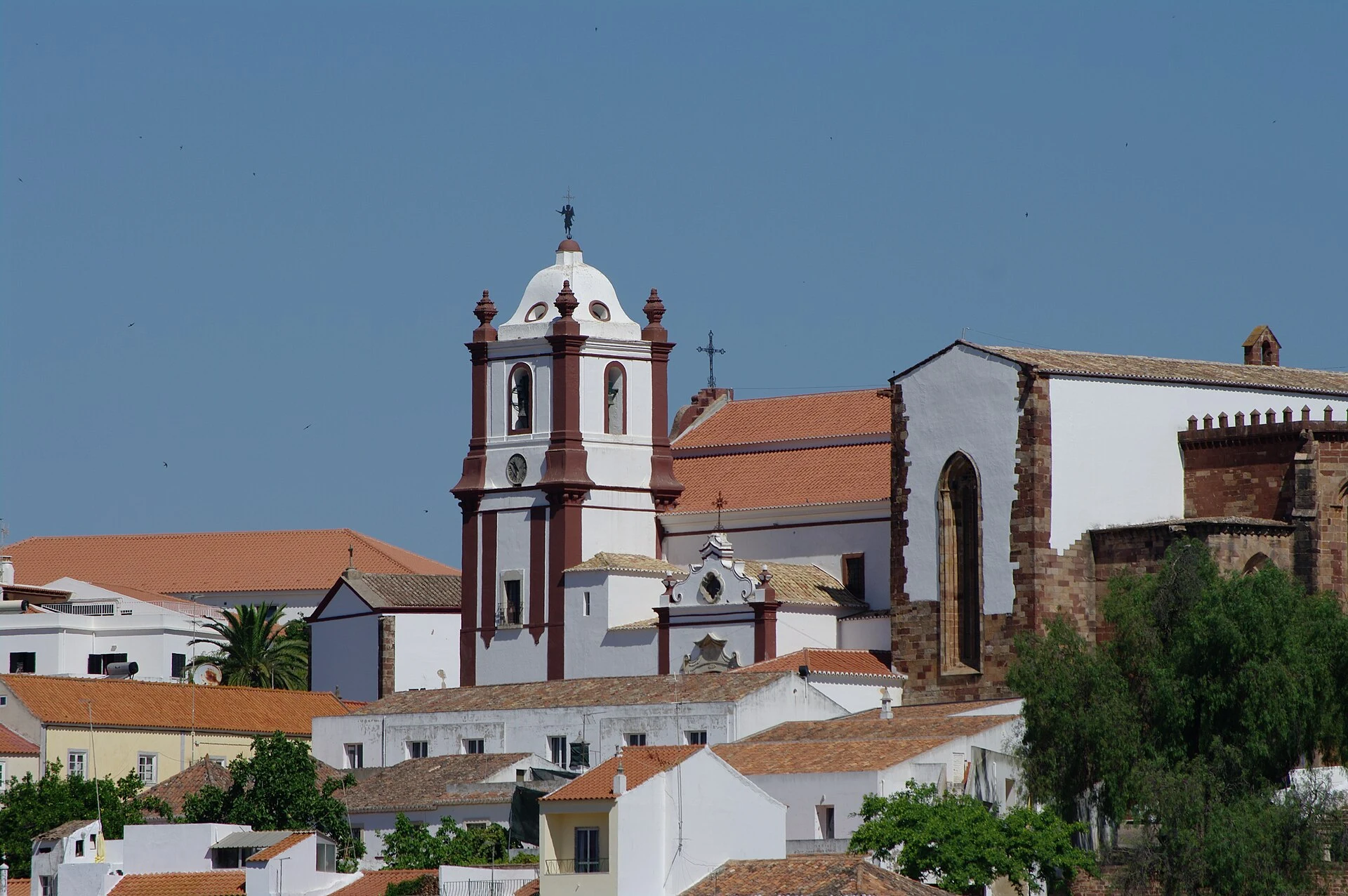
Just below the castle, built on the foundations of the city’s former Great Mosque after the reconquest in 1249. The exterior is plain, almost austere. Inside, Gothic vaulting meets red sandstone columns, with Baroque additions layered on after the 1755 earthquake rearranged much of the building. The architectural collision is more interesting than any single element. Look for the tombstone attributed to João II, who died under unclear circumstances near Silves in 1495. Open daily except Sunday afternoons, with a break around lunchtime.
Museu Municipal de Arqueologia
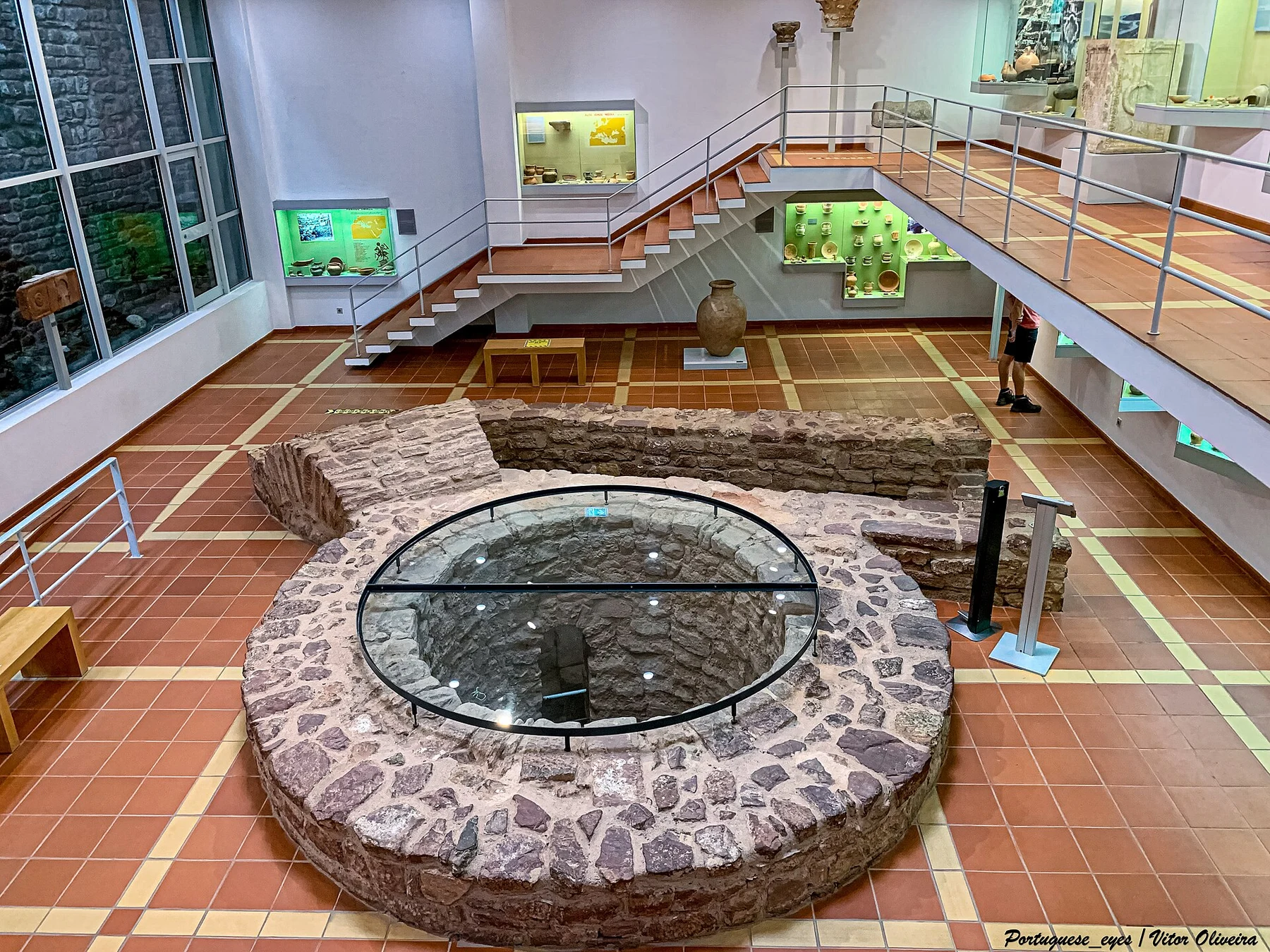
Small but well done. The museum is built around a large Moorish well, with artefacts spanning from prehistoric through Roman to Islamic periods. The Islamic ceramics are the standout collection. It sits between the cathedral and the Portas da Cidade, so it falls naturally into any walking route through the old town.
The Old Town Walk
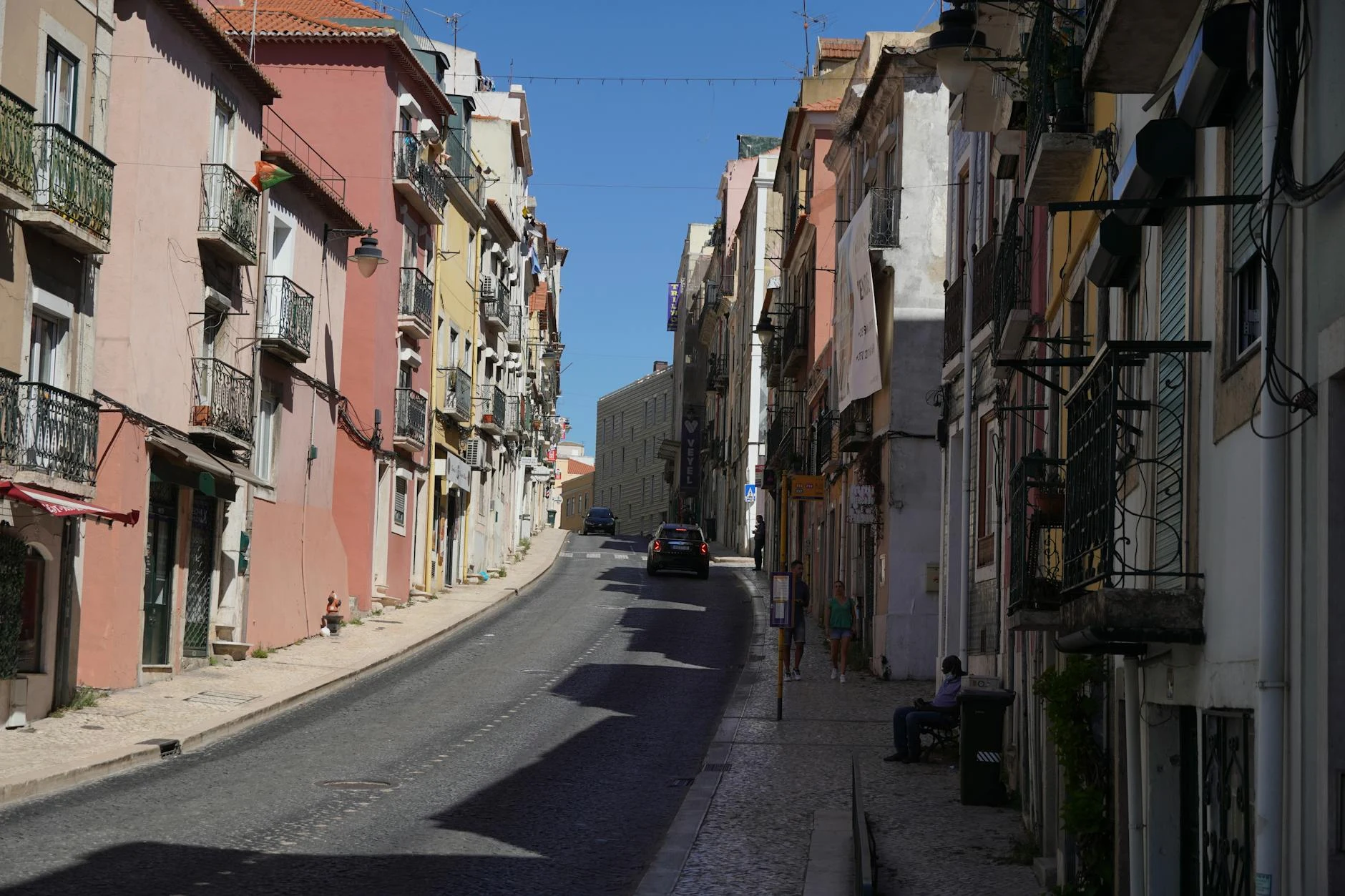
The walk itself is the thing. From the Ponte Romana at river level, through the Portas da Cidade (the only surviving medieval gateway, with its deliberately awkward right-angle turn designed to stop cavalry), up the steep Rua da Sé past the cathedral to the castle at the top. The gradient is real. On the way, the narrow lanes pass the Igreja da Misericórdia with its 16th-century Manueline doorway, the Praça Al-Mutamid with its Moorish statues and water features (named after an 11th-century poet-king), and the municipal market near the river where you can buy Silves oranges in season. The whole loop takes about 90 minutes at a comfortable pace, less if you skip the castle.
Feira Medieval de Silves
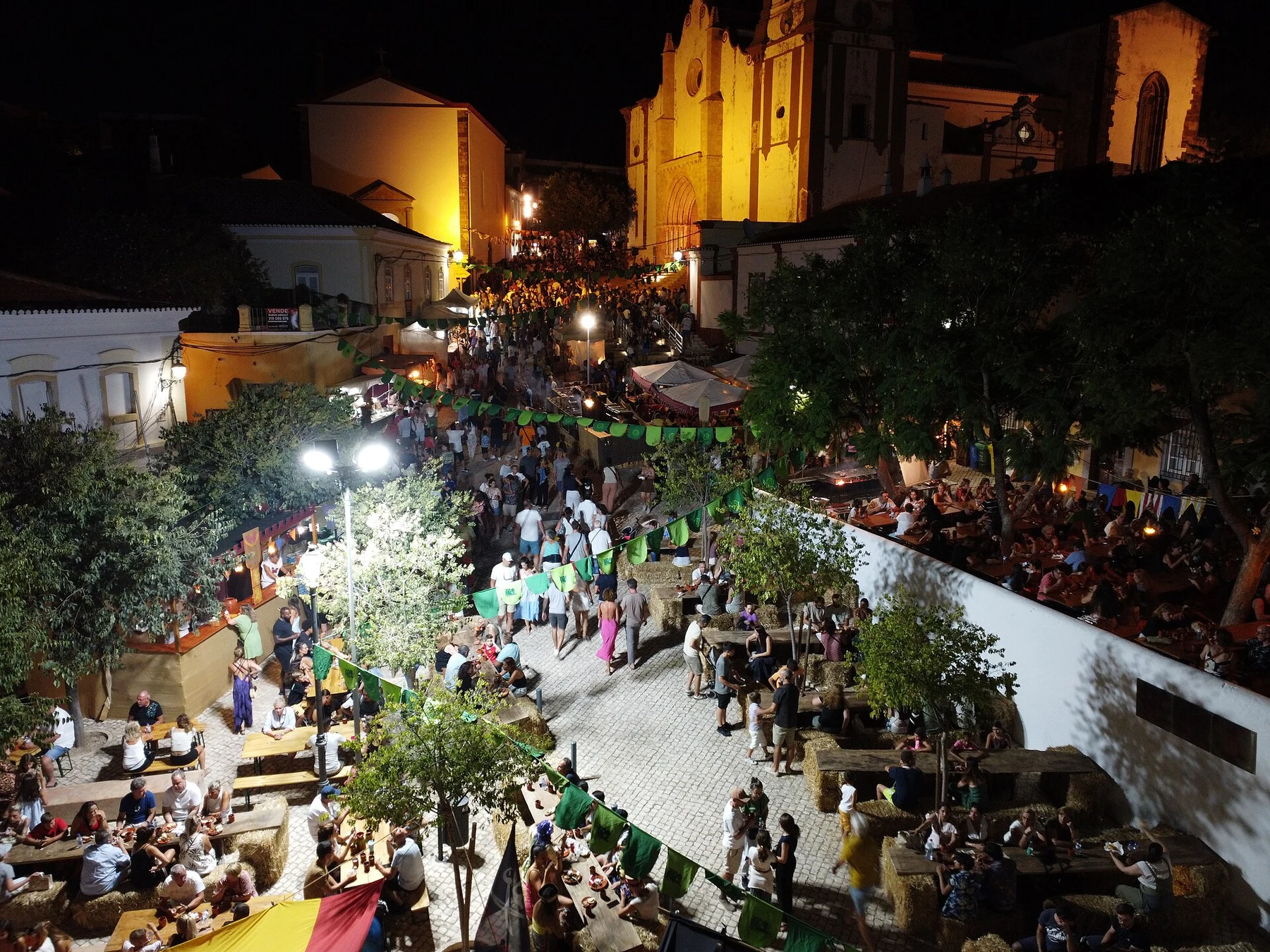
If you happen to be in the Algarve in August, this is the one event worth rearranging your week for. The Medieval Fair runs for ten days in early to mid-August and transforms the old town centre. Neon signs go dark. Pigs turn on spits over open fires. Food is served on clay tiles. Beer comes in earthenware mugs. The currency is the xilb, exchanged at the entrance. Costumed processions start each evening around 6pm, with jousting, war games, and live shows at the castle continuing past midnight. It draws crowds, especially from 9pm onwards, and parking becomes difficult. Wear flat shoes on the cobblestones.
Arade River Boat Trip
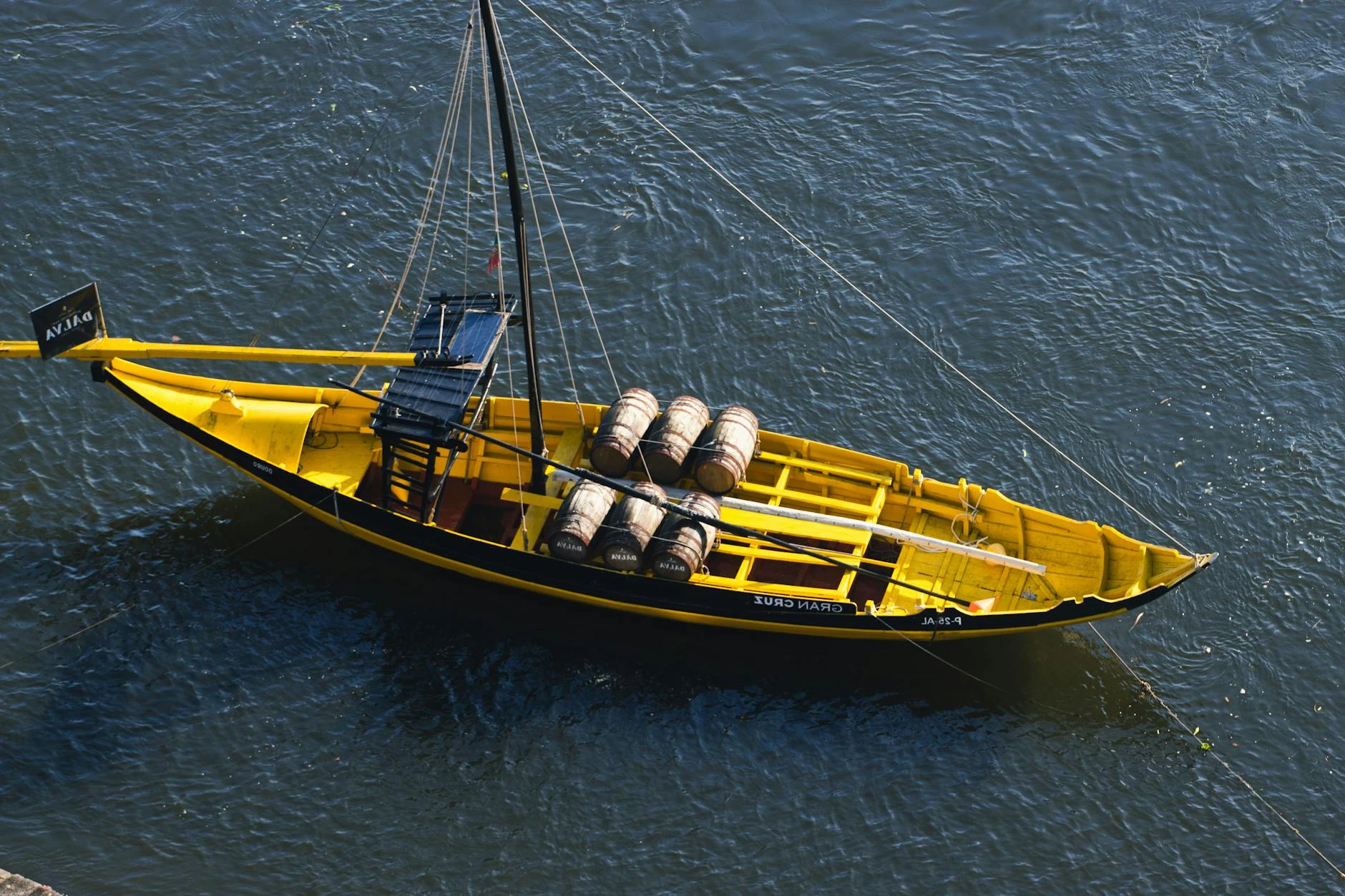
An alternative way to arrive. Solar-powered boats run from Portimão Marina up the Arade to Silves, a round trip of four to five hours including about 90 minutes on the ground. The river is tide-dependent, so departures only happen on certain days each month. The ride is quiet, the scenery is farmland and salt marshes, and the approach to Silves from the water gives you a sense of why this location mattered. Worth doing once, especially if you are already staying near Portimão. Check the boat tours page for operators and schedules.
Best Beaches Near Silves
Silves has no beach of its own. The nearest coast is about 20 minutes south by car, and the options are good.
Praia da Marinha is the most dramatic, with its limestone cliffs and clear water. One of the most photographed beaches in the Algarve, and the clifftop walk east from the car park is excellent. Praia de Benagil is close by, famous for the sea cave you can only reach by water. Praia da Rocha in Portimão is a wider, more developed beach with a long promenade and full resort infrastructure. Any of these makes a natural pairing with a morning in Silves: castle first, beach after lunch.
For something quieter, the beaches around Carvoeiro are worth the short drive. The Algar Seco boardwalk along the cliffs is a good option if you have had enough sand for the day but still want to be near the water.
Where to Eat in Silves
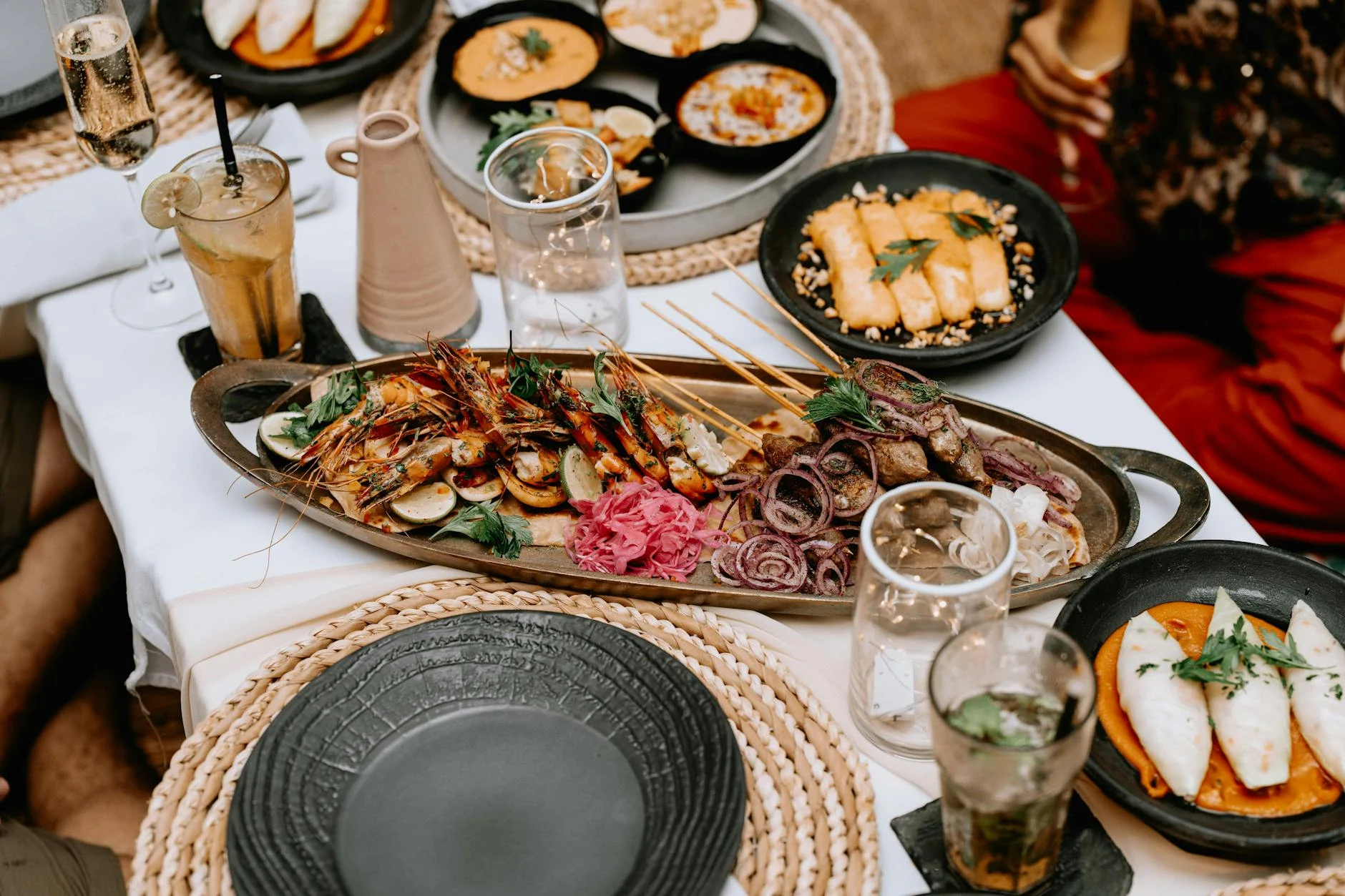
The restaurant scene is better than you would expect for a small inland town, and prices are noticeably lower than on the coast.
Marisqueira Rui is the name everyone mentions. It sits outside the town centre, which is actually an advantage because it has its own parking (a genuine luxury in Silves). The seafood is the real thing: cataplana, grilled fish of the day, percebes if you are feeling adventurous. It fills up quickly at lunch. Book ahead or arrive before 12:30.
Café Inglês, just below the castle, is where to go after the climb. The shaded terrace looks out across the rooftops and down to the river. The food is acceptable, nothing extraordinary. The setting is the reason to sit down.
For something more atmospheric, O Barradas is a farmhouse restaurant in the countryside outside town. They grow their own herbs and vegetables and produce wine on site. It requires a car, but the drive through orange groves to get there is part of the appeal. A good option if you want to make lunch the centrepiece of the day rather than the castle.
Churrasqueira Valdemar, near the municipal market, is where to eat cheaply and well. Grilled chicken, no pretension, locals at every table. The kind of place where the bill makes you double-check the maths.
The municipal market itself is worth a stop if you are passing in the morning. Not as large as the markets in Faro or Olhão, but the produce is good, particularly the citrus fruit. Silves oranges are considered the best in the region, though they are seasonal (roughly November to March).
Where to Stay in Silves
Silves is primarily a day-trip destination, and most visitors will be more comfortable staying on the coast. That said, there are reasons to spend a night here. The Medieval Fair in August is better experienced without the drive home, and the town at sunrise, before the day-trippers arrive, has a stillness that you will not find in any coastal resort.
Accommodation options are limited compared to the coast. A handful of guesthouses and small hotels sit in and around the old town, with larger options further out in the countryside. The countryside properties, often converted farmhouses surrounded by orange and carob groves, are where Silves accommodation becomes genuinely appealing. Prices are lower than equivalent coastal properties, and the quiet is absolute.
For budget stays, the town has a few well-reviewed guesthouses within walking distance of the centre. If you are driving, the countryside properties offer more space and better value. Avoid staying in Silves if you want easy beach access; the 20-minute drive to the coast each way adds up across a week.
How to Get to Silves
By car is easiest. From Faro, take the A22 motorway west (tolled) and exit at Silves, about 45 minutes. From Lagos or Albufeira, the drive is roughly 30 minutes. From Carvoeiro or Portimão, about 20 minutes. The N124 from the coast winds through orange groves on the approach to town.
The train station exists but is awkwardly placed, nearly 2km south of the historic centre along a road with no proper footpath. The walk is unpleasant, especially in summer heat. If you arrive by train, arrange a taxi or use Uber/Bolt for the last stretch. Services run on the Algarve regional line connecting Lagos, Portimão, and Faro, with several departures per day.
Regional buses stop closer to the centre than the train. Routes connect Silves to Portimão, Albufeira, and Armação de Pêra. Check current schedules on the Vamus Algarve website.
Parking in the historic centre is tight. The main car park is Parque da Cidade, on the south side of the river, roughly a 15-minute uphill walk to the castle. A few smaller car parks sit on the town side. Outside of the Medieval Fair in August, finding a space is usually manageable.
Local Tips
The climb matters. Silves is built on a hill, and the walk from the river to the castle is steep, cobbled, and relentless in the midday sun. Start at the top, at the castle, and work your way down through the cathedral and museum, then continue through the old town to river level. That is where the restaurants are, and where you want to be by lunchtime.
The Rua da Sé, the ancient street connecting the city gate to the cathedral, is a calf workout. It is also the most atmospheric stretch of the walk. Take it slowly. The side streets off this route are where the town feels most lived-in, away from the handful of souvenir shops clustered near the castle entrance.
Silves is at its best in the shoulder seasons. In spring, the surrounding hillsides are green, the orange groves are finishing their season, and the town is almost empty. In autumn, particularly late September and October, the light is warm and the summer crowds have gone. August during the Medieval Fair is chaotic in the best way, but expect heat, crowds, and parking headaches. A midweek evening during the fair is more manageable than a Saturday.
The Cruz de Portugal, a 15th-century limestone cross on the eastern edge of town, is easy to miss but worth the short detour. It sits on a roundabout now, which diminishes the setting, but the carved detail on both faces of the cross is exceptional for its age.
The climb from the river to the castle is steep and entirely uphill on cobblestones. In summer heat, allow extra time and bring water. Start at the castle while you have energy, then work your way downhill through the cathedral, museum, and old town to finish at a riverside restaurant.