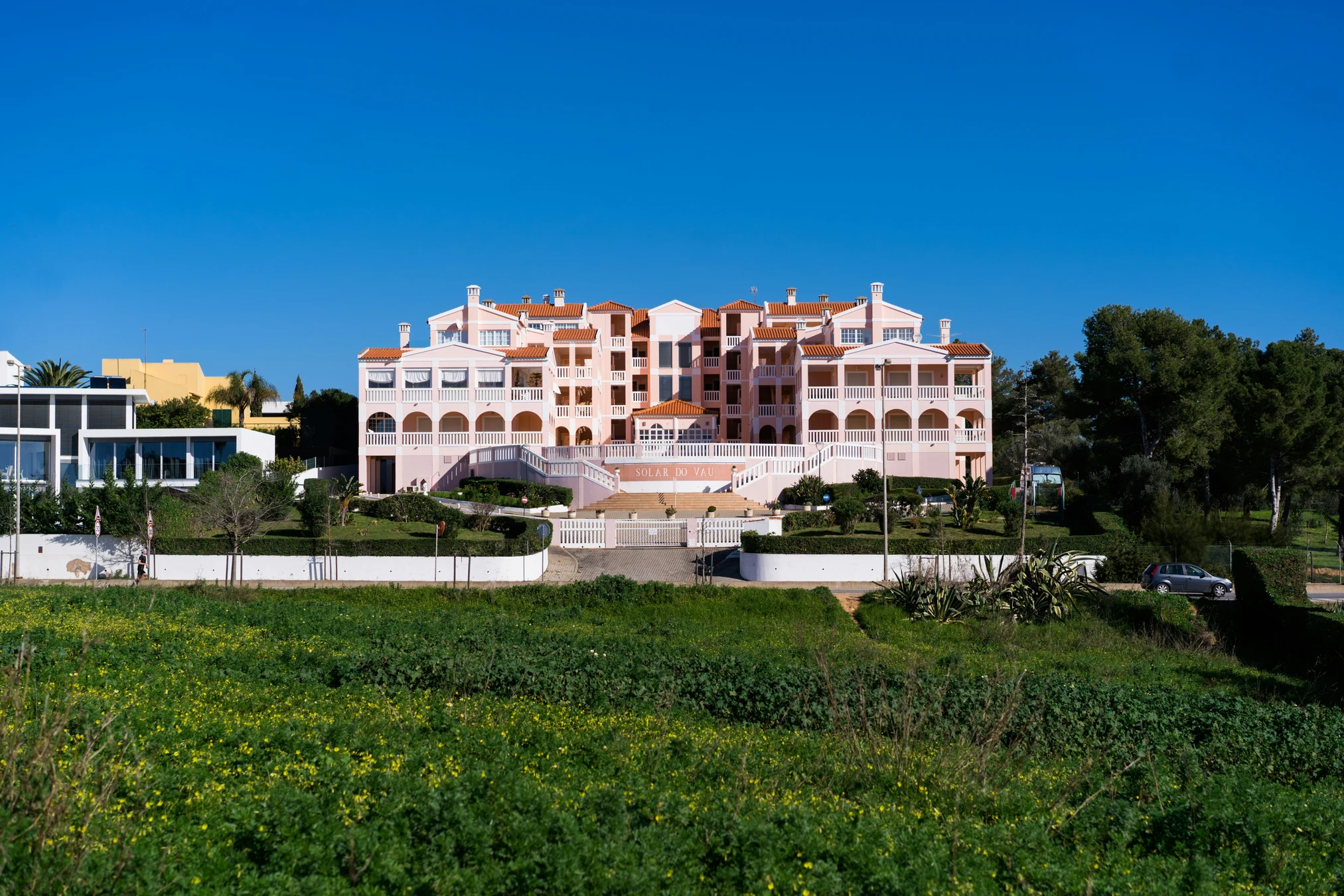
Portimão is a working port city on the Arade river, the second largest urban centre in the Algarve. It draws visitors for its riverside promenade, the award-winning Museu de Portimão housed in a former sardine cannery, and the annual Sardine Festival in August. Praia da Rocha, one of the Algarve's most popular beaches, sits 3km to the south.
Why Visit Portimão
Portimão is not a pretty town. That needs saying upfront, because if you arrive expecting the whitewashed charm of Tavira or the photogenic alleys of Lagos, the concrete apartment blocks on the outskirts will disappoint you. But Portimão is an honest place, and what it does well, it does better than almost anywhere else on this coast: fresh fish grilled over charcoal, a riverside that comes alive in summer, and a museum that makes a sardine cannery genuinely fascinating.
The city sits on the Arade river estuary, facing Ferragudo across the water. For most of its history it was a fishing and canning port, and the sardine industry shaped everything here, from the economy to the streetscape to the annual festival that still draws over a hundred thousand people each August. Tourism arrived later, mostly through Praia da Rocha 3km to the south, which absorbed most of the hotel development and left the city itself more Portuguese than many coastal towns. The two places function as a pair: Praia da Rocha does beach holidays, Portimão does real life. The gap between them is shrinking as the riverside promenade and marina area gentrify, but the city centre still has working-town energy. Restaurants price for locals, not tourists. The fish market sells what came off the boats that morning. The pedestrianised shopping streets have phone repair shops next to bakeries next to hardware stores.
It also happens to be one of the best-connected towns in the western Algarve, with both a train station and intercity bus services, making it a practical base if you want to cover ground without a car.
Best Things to Do in Portimão
Museu de Portimão
The best museum in the Algarve, and that is not a close contest. Housed in the former Feu Hermanos canning factory on the riverfront, it opened in 2008 and won the Council of Europe Museum Prize two years later. The permanent exhibition, “Portimão, Territory and Identity,” covers five millennia of local history, but the heart of it is the restored canning production line. Original machinery is still in place. A documentary film shows the entire process, from the boats landing their catch to the sardines being hand-placed in tins. Entire families worked this factory, children included. It sounds dry on paper, but the execution is excellent and genuinely moving.
Allow at least 90 minutes. Start with the film. The rooftop terrace has views over the river and often hosts temporary exhibitions. Check locally for current opening hours and admission prices before visiting.
The Ribeirinha (Riverside Promenade)
The Zona Ribeirinha is where the city faces the water. A landscaped promenade runs along the Arade from the old bridge towards the marina, with gardens, cafés, and a long view across to Ferragudo’s whitewashed waterfront and the São João fortress. In summer evenings this strip fills with people. During the Sardine Festival in August it becomes the centre of everything. Even outside festival season, the stretch between the museum and the old bridge has the best atmosphere in Portimão.
Festival da Sardinha
Portimão’s signature event and one of the most popular festivals in the Algarve. Held on the riverside in August (typically the first or second week), it runs for about six days with free entry. The format: rows of charcoal grills cooking sardines by the thousand, live music across multiple stages with big-name Portuguese acts each night, craft stalls, and an opening-day historical reenactment of the old sardine unloading at the quay. The classic festival plate is five grilled sardines with bread, boiled potatoes, and Algarve salad. Expect crowds. The festival regularly draws upwards of 130,000 visitors across its run.
Parking in Portimão during the festival is a challenge. Plan ahead or take public transport.
Boat Trips from the Marina
Marina de Portimão sits between the city and Praia da Rocha, at the mouth of the Arade estuary. It is one of the main departure points in the Algarve for Benagil cave tours, coastal cruises, dolphin-watching trips, and deep-sea fishing charters. The marina itself has restaurants, a small beach, and views to both forts guarding the river entrance.
Largo 1º de Dezembro and the Old Town
A compact square with a small garden and the distinctive azulejo tile benches depicting scenes from Portuguese history. Worth a slow look. The Praça da República is nearby, dominated by the Igreja do Colégio dos Jesuítas, a 17th-century Jesuit college church with one of the largest church interiors in the Algarve. The gilt woodwork inside dates from the 18th century. The parish church (Igreja Matriz) is older still, with a Gothic portal from 1470 and a baroque interior rebuilt after the 1755 earthquake.
None of these buildings will take long to visit. The value is in walking the old centre as a whole: the pedestrianised shopping streets, the municipal market (good for fresh produce in the morning), and the general texture of a Portuguese city that is not performing for tourists.
Alcalar Megalithic Monuments
About 15 minutes’ drive north. A Neolithic necropolis of 18 tombs dating back roughly 5,000 years, designated a national monument. The most impressive is Monument 7, a circular chamber tomb with a long corridor. There is a small interpretation centre. A combined ticket with the Museu de Portimão is available for a few euros more than a standard museum entry. Not essential unless you have a specific interest, but if you do, it is one of the most significant prehistoric sites in the Algarve.
Forte de Santa Catarina
A small 17th-century fortress above Praia da Rocha, built to defend the Arade estuary alongside the São João fort on the Ferragudo side. The fort itself is modest, but the viewpoint over the river mouth, the beach, and across to Ferragudo is one of the best in the area. Good at sunset.
Best Beaches Near Portimão
Praia da Rocha
The big one. A wide stretch of golden sand backed by towering rock formations and a long promenade of hotels, restaurants, and bars. Praia da Rocha is 3km south of the city centre and functions as its own self-contained resort. The beach is excellent, the facilities are extensive, and the nightlife is the liveliest on the western Algarve coast. If you want a quiet day, this is not the beach for you. If you want everything on your doorstep, it is hard to beat.
Praia dos Três Irmãos and Praia de Alvor
West of Praia da Rocha, a series of smaller cove beaches run along the cliffs towards Alvor. The clifftop trail connecting them is one of the nicest coastal walks in the area. Praia de Alvor at the far end has the famous boardwalk approach through the estuary dunes and a different character entirely: long, flat, and backed by the Ria de Alvor lagoon.
Ferragudo’s Beaches
Directly across the river, Ferragudo has Praia Grande de Ferragudo and the more secluded Praia dos Caneiros. Neither has a dedicated page on this site yet, but both are worth the short drive or the walk across the bridge. Caneiros in particular has a dramatic cliffside restaurant (Rei das Praias) that justifies the trip alone.
Where to Eat in Portimão
The real reason to eat in Portimão rather than Praia da Rocha is price. The same grilled fish that costs €18 on the resort strip costs €10 under the bridge arches in the city. The quality is the same or better, because the Portimão restaurants serve a Portuguese clientele that will not tolerate tourist-grade fish.
Rua da Barca, the street that runs under the old bridge near the waterfront, is the centre of the traditional fish restaurant scene. Taberna da Maré is the standout here: a cramped, no-frills tavern with homemade food, where the carapaus alimados and grilled sardines are the things to order. The waiter will recommend dishes and a wine. Trust them. It is the kind of place where the bill surprises you by how reasonable it is.
Dona Barca, on the riverside, has been grilling fish over charcoal for over three decades. Former fishermen run the kitchen. The sardines are what most people come for, but the cataplana (a traditional copper-pot seafood stew for two) is the better choice if you are not in a rush. Petisqueira Berbigão takes a different approach: small plates of seafood petiscos to share, with clams, garlic shrimp, and octopus alongside local wine. Not a place that appears in tourist guides, which is partly the point.
For something more polished, the marina area and Praia da Rocha have the upmarket options. Vista Restaurante, perched above Praia da Rocha in a converted early-20th-century palace, holds a Michelin star. Not a casual dinner.
Skip the tourist-menu restaurants on the main Praia da Rocha strip unless you are genuinely stuck. The food is mediocre and the prices are inflated. Walk 20 minutes north to the city and eat properly.
Where to Stay in Portimão
Most visitors base themselves in Praia da Rocha rather than the city centre, and that makes sense if your priority is the beach. The resort strip along the cliffs has hotels at every price point, from large package-holiday resorts to smaller boutique places. Bela Vista Hotel & Spa, in a historic building above Praia da Rocha, is the high-end option with genuine character. RR Hotel da Rocha sits directly on the beach and represents good mid-range value.
Staying in Portimão city itself is cheaper and gives you better access to restaurants and public transport, but you will be a 25-minute walk or a short bus ride from the sand. The area around the marina splits the difference. Jupiter Marina Hotel overlooks the water and is well-positioned between city and beach.
Budget travellers will find more affordable accommodation in the city centre than in any other western Algarve resort town. Portimão is a genuine city, so there are apartments and guesthouses priced for the local market, not just for tourists. The trade-off is aesthetics: the residential areas are functional, not charming.
How to Get to Portimão
Portimão is about 65km west of Faro airport. The A22 motorway makes it a straightforward 50-minute drive. The alternative route on the N125 takes longer but passes through Loulé (worth a stop if you time it for the Saturday market).
The train is the most practical public transport option. The Linha do Algarve runs roughly hourly between Faro and Lagos, stopping at Portimão. The journey from Faro takes about 90 minutes. From Lagos, it is around 30 minutes. Portimão station is on the northern edge of the city, about a 15-minute walk downhill to the riverside.
Intercity buses (Rede Expressos) connect Portimão to Lisbon, with the journey taking around three and a half hours via the A2. The intercity bus station is on Rua da Abicada, north of the train station. Regional VAMUS buses to other Algarve towns depart from Largo do Dique, closer to the riverside. The two bus stations are about 1.5km apart, which catches people out. Confirm your departure location when you buy your ticket.
From Lisbon by car, take the A2 south. The drive is just under three hours.
Local Tips
The Portimão municipal market on the waterfront is best visited in the morning, when the fish stalls have the day’s catch laid out. It is not a tourist market like Loulé’s, so do not expect craft stalls and curated displays. What you get is the working version: a counter full of sardines, sea bream, octopus, and whatever else came in. The fruit and vegetable section is good too. Saturday morning has the most energy.
Ferragudo, directly across the Arade, is a 10-minute drive over the bridge (or a summer boat crossing from the waterfront). It is one of the smallest and least touristy villages on the central coast, with a handful of genuinely good restaurants and a completely different atmosphere. If Portimão feels too urban, Ferragudo is the antidote, and it is close enough to use as an evening restaurant destination from a Portimão or Praia da Rocha base.
The Autódromo Internacional do Algarve, the international racing circuit, is about 15km north of the city. It hosted Formula 1 and MotoGP events and offers karting and track-day experiences to the public. Not the most obvious Algarve activity, but if you are into motorsport or just want to do something different from beach-and-fish for an afternoon, it is there.
The restaurants under the old bridge arches on Rua da Barca are where locals eat grilled fish at half the price of Praia da Rocha. The walk between the two areas takes about 25 minutes along the river, so you can eat in town and still make it to the beach.